
Exploring the psychology behind casino games
The Allure of Chance and Randomness
At the heart of casino games lies the captivating allure of chance and randomness. This inherent unpredictability can trigger excitement and anticipation, evoking strong emotional responses from players. Psychological studies indicate that, when individuals engage with games of chance, they often experience a release of dopamine, a neurotransmitter linked to pleasure and reward. This dopamine rush reinforces the behavior of playing, creating a cycle that keeps players returning, eager for the next big win, especially when they explore sports betting sites that offer various incentives and promotions. The unpredictability of outcomes not only captivates players but also engages their cognitive faculties, leading them to constantly analyze their decisions and strategies.
The unpredictable outcomes in games such as slots or roulette resonate with the basic human desire for control over one’s destiny. While players understand that results are random, the hope of winning can overshadow their logical assessment of the odds. This paradox is intertwined with the psychology of gambling, as players often misjudge their capabilities to influence outcomes. The role of cognitive biases, including the illusion of control, heightens this experience, making players feel they possess the ability to sway luck in their favor. This belief can create a false sense of empowerment, which further entices players into engaging with the games.
Moreover, casinos are meticulously designed to enhance the appeal of chance. The bright lights, vivid colors, and sounds of coins dropping or machines spinning are all sensory details crafted to amplify excitement. This environment induces a heightened state of arousal, making it easier for players to lose track of time and money in pursuit of that elusive jackpot. The experience transforms chance into not just a game but an exhilarating adventure, one that players yearn to partake in repeatedly. This immersive atmosphere makes it challenging for individuals to recognize when their gaming behavior crosses into problematic territory.
The Role of Social Interaction
Social dynamics significantly enhance the overall experience of casino games. When players engage in games like poker, they are not only competing against the cards but also against other individuals. This interaction fosters a sense of community, where shared experiences amplify enjoyment. The ability to bluff, read opponents, and engage in conversation introduces layers of social complexity that transform solitary gambling into a vibrant social activity, enhancing the thrill and excitement of the game.
Furthermore, the social environment of casinos stimulates competitive instincts among players. Individuals often feed off each other’s energy, leading to heightened emotions and shared anticipation. This camaraderie creates an addictive atmosphere, as players find themselves drawn into larger groups or games that offer social validation. The success and engagement that come from interacting with others can enhance players’ enjoyment and satisfaction, reinforcing their commitment to return to the casino. The social aspect of gambling can make it feel less like a solitary endeavor and more like a shared experience, which can be particularly appealing.

Additionally, casinos strategically incorporate lounges, bars, and dining areas to encourage socializing. These spaces provide players opportunities to take breaks and interact outside the gaming floor, further solidifying the casino as a social hub. Special events and promotions are often organized to draw in groups, enhancing the notion that gambling is not solely about winning or losing but about the shared connections and experiences that accompany the thrill of the game. This community aspect can have a powerful influence on gambling behavior, as players may be more inclined to gamble in a social setting where they feel supported and understood.
The Psychological Effects of Winning and Losing
The outcomes of casino games exert a profound influence on players’ psychological states, particularly concerning winning and losing. Winning elicits positive emotions, including euphoria and triumph, which can lead players to chase these feelings repeatedly. However, the nature of gambling is such that wins are often accompanied by losses, creating a complex emotional balance. This interplay can lead to a cycle of chasing losses, where players double down on their bets in hopes of recouping what they have lost. The psychological impact of winning can create a sense of invincibility, fueling the desire to continue playing despite the risks involved.
The psychology of loss can be particularly debilitating, as losses often carry heavier emotional weight than wins of the same magnitude. This phenomenon, known as loss aversion, suggests that the pain of losing money can motivate players to take irrational risks, propelling them deeper into the gambling cycle. Players may convince themselves that a future win is imminent, leading to increased gambling behavior and further financial strain. The emotional toll of losses can also contribute to feelings of shame and guilt, which may drive players to hide their gambling habits from friends and family, further isolating them.
Additionally, the timing of wins and losses can significantly alter players’ psychological states. For instance, near-misses can be psychologically exhilarating, creating a false sense of hope or the belief that victory is just around the corner. This can lead players to continue gambling, clinging to the optimism that their fortunes will change with the next bet. Understanding these dynamics sheds light on the risky behavior associated with casino games and the emotional rollercoaster it induces in players. The constant fluctuations between winning and losing can create a tumultuous psychological landscape that players navigate as they engage in gambling activities.
Addiction and Its Psychological Underpinnings
Casino games can lead to addictive behaviors for some individuals, heavily influenced by psychological factors. The thrill of gambling can transform into a compulsive pursuit for certain players, necessitating a deeper understanding of the driving forces behind this addiction. Factors such as personal history, mental health issues, and environmental cues can all contribute to an increased risk of developing pathological gambling behaviors. The thrill of taking risks and the possibility of winning big can create a cycle that is difficult to break.
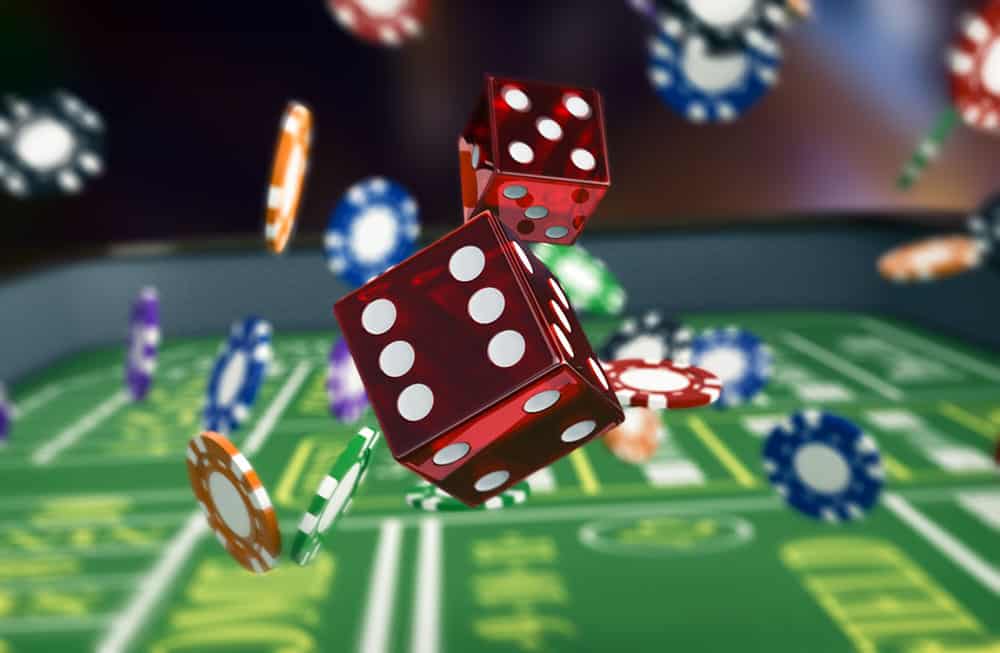
Psychological theories suggest that individuals prone to addiction may seek out casinos as a means of escapism. The temporary relief from emotional or psychological distress found in gambling can provide an alluring alternative, leading to repetitive behavior despite negative consequences. This cyclical pattern of gambling can spiral out of control, resulting in financial ruin, relationship issues, and overall psychological decline. The compulsive nature of gambling is often exacerbated by the initial excitement and the intermittent rewards that come from winning.
It is also critical to recognize the role of environmental triggers that may lead to gambling addiction. Brightly lit casinos, enticing promotions, and accessible gaming machines create an atmosphere that perpetuates the cycle of addiction. The sensory stimulation provided by these environments can overwhelm individuals, making it challenging for them to resist the urge to gamble. Understanding these psychological elements can aid in developing effective prevention and treatment strategies to help individuals who may struggle with gambling disorders. Awareness of these triggers is essential for those looking to maintain healthy gambling habits and avoid the pitfalls of addiction.
Learn More About Casino Games and Their Dynamics
For those interested in delving deeper into the psychology behind casino games, a wealth of resources is available to broaden understanding. Exploring the intricate relationship between human behavior and gambling can enrich one’s appreciation for the games while promoting responsible play. Comprehensive studies in psychology, behavioral economics, and neuroscience offer valuable insights into why individuals engage with casinos and how to navigate their experiences effectively. Engaging with academic literature can provide a more nuanced view of the psychological dynamics at play.
Websites dedicated to gambling education present a plethora of information, fostering a more informed approach to the casino experience. Engaging in community forums can also yield personal anecdotes and discussions that contribute to a broader understanding of gambling behaviors. Such platforms can be instrumental in raising awareness about the risks and rewards associated with casino games. By sharing experiences and knowledge, players can foster a more responsible gambling culture that values awareness and control.
Whether you are a casual player or someone interested in the deeper psychological aspects of gambling, numerous resources are available to guide you. By engaging with these tools, individuals can make informed decisions about their gambling habits while enjoying the thrill of casino games responsibly. Understanding the psychological nuances of gambling can lead to a more fulfilling and controlled gaming experience, ultimately enhancing enjoyment and minimizing risks.